
 Facebook
 X
X
 Pinterest
 Copy Link
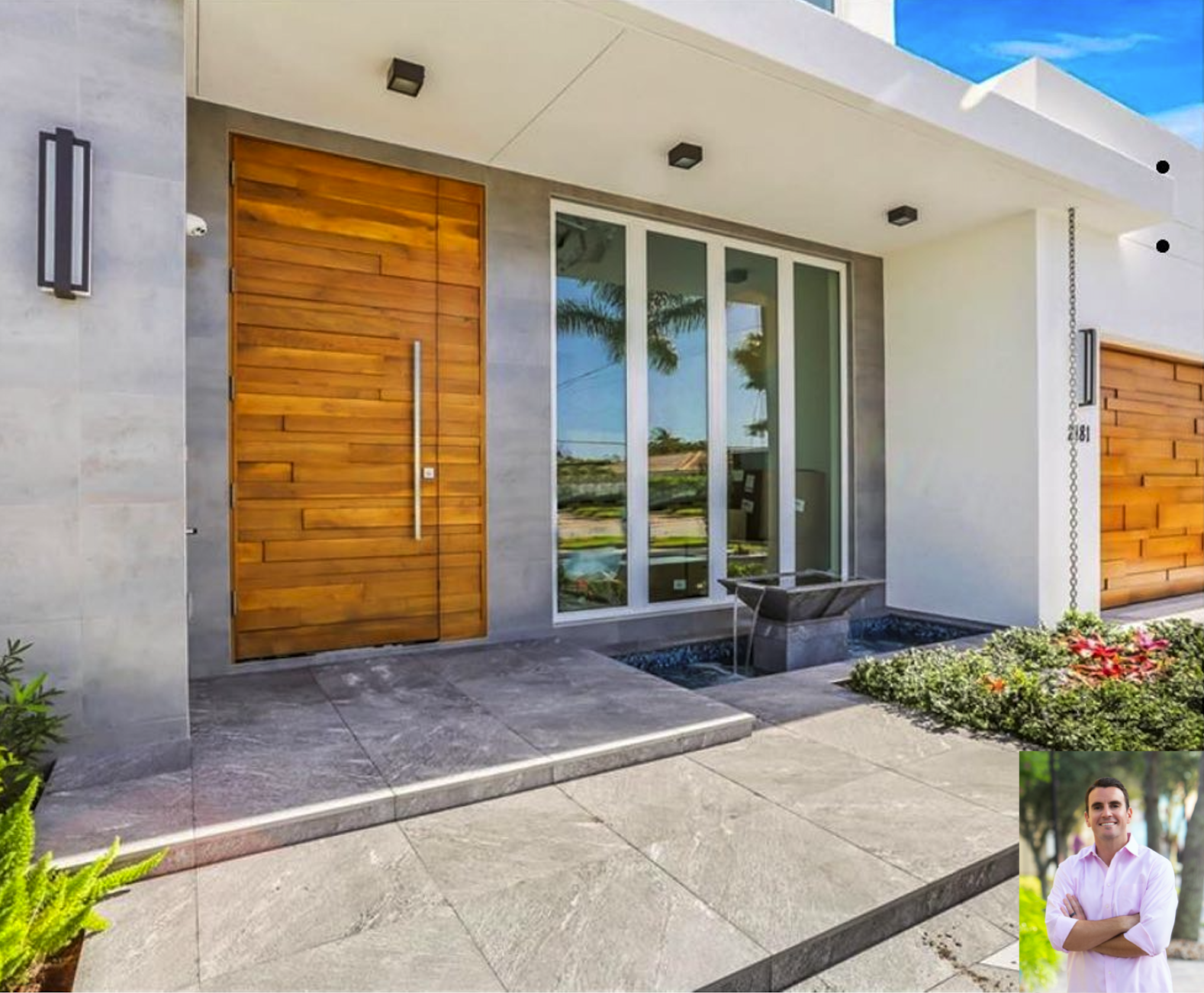
The Open House Paradox
Open houses, a cornerstone of real estate, often defy expectations. Despite their widespread use, their effectiveness remains a topic of debate. Do open houses truly work as intended, or are they simply a tool for agents to attract clients? Let’s dive deeper into this age-old question.
1. The Agent’s Agenda: Seeking Buyers or Clients?
Contrary to popular belief, open houses primarily serve agents seeking potential clients rather than directly benefiting the homeowner. Understanding this underlying agenda is crucial in evaluating the efficacy of open houses.
2. Sorting through Lookyloos: Identifying Genuine Interest
While open houses attract a diverse array of attendees, including curious neighbors and casual browsers, distinguishing genuine buyers from mere spectators is key. This differentiation is pivotal in determining the success of open house events.
3. Pricing: The Critical Factor in Open House Success
The effectiveness of open houses significantly hinges on the pricing strategy employed for the property. When priced appropriately, open houses can indeed attract serious, qualified buyers who recognize the value of the home.
4. Timing Is Everything: Maximizing Impact through Strategic Scheduling
Strategic timing plays a pivotal role in the success of open houses. Hosting these events shortly after listing or following a price adjustment can create a sense of urgency among potential buyers, enhancing their effectiveness.
5. Building Anticipation: Generating Interest Before the Open House
Creating anticipation and curiosity surrounding the open house event can significantly enhance its effectiveness. Leveraging various marketing channels and teasers can attract genuine interest from potential buyers.
6. Pitfalls to Avoid: Overpricing and Frequency of Events
Overpricing or hosting open houses too frequently can diminish their effectiveness. These practices may attract nosy neighbors rather than serious buyers, diluting the purpose of the event.
7. Crafting the Perfect Environment: Fostering Exclusivity
Meticulous planning and execution can create an environment conducive to attracting only serious buyers. Establishing an atmosphere where attendees perceive exclusivity can foster a sense of urgency and enhance negotiation leverage for the seller.
Conclusion: Mastering the Art of Open Houses
In conclusion, the effectiveness of open houses depends on various factors, including pricing, timing, and strategic planning. When orchestrated perfectly, open houses can indeed serve as powerful tools in the home selling process, attracting genuine buyers and facilitating successful negotiations.
By understanding the nuances and implementing best practices, homeowners can maximize the potential of open houses and achieve their desired outcomes in the real estate market.
